Is Jamaican cuisine healthy? This question comes up when thinking about how Jamaican food affects one’s general health and well-being. Jamaican cuisine has become increasingly well-liked around the world due to its strong flavors, bright spices, and varied culinary influences. However, a closer look at Jamaican cuisine’s nutritional makeup and the various advantages and disadvantages it presents is necessary to determine whether it is indeed healthy. I can determine whether Jamaican cuisine adheres to a nutrient-dense diet and supports optimum health by examining its essential elements, traditional ingredients, and cooking methods.
Let’s discover the truth and shed some light on the nutritional components of this tasty cuisine as I’ll explore the subject, “Is Jamaican food healthy?” together.
Is Jamaican food spicy?
Yes, the spicy flavors of Jamaican cuisine are well known. Jamaican cuisine relies heavily on spices to give the food flavor, heat, and complexity. Jerk seasoning, which is made up of a mixture of spices including scotch bonnet peppers, allspice, thyme, cloves of garlic, and several other herbs and spices, is one of the most well-known and recognizable Jamaican flavors. A common component in Jamaican cuisine and renowned for its intense heat is the scotch bonnet pepper. Ginger, nutmeg, cinnamon, and cloves are additional spices that are frequently used in Jamaican cooking, and they all help to give the food a rich and distinctive flavor. It is crucial to remember that some Jamaican cuisine is highly hot, and the degree of heat can change based on the individual and the food being made.
Share the nutritional benefits of Jamaican food:
Because fresh ingredients and a variety of flavors are emphasized, Jamaican cuisine has many nutritional benefits. Among Jamaican cuisine’s most nutritive features are the following:
Fresh Fruits and Vegetables:
Jamaican cuisine uses a range of fresh fruits and vegetables, including mangoes, papayas, plantains, yams, ackee, and callaloo (leafy greens). These ingredients help to create a balanced and nutrient-rich diet since they are high in important vitamins, minerals, plus dietary fiber.
Lean Proteins:
Fish, poultry, and beans are just a few of the lean protein options found in Jamaican cuisine. Fish, like snapper or grouper, is frequently treated healthily, such as by steaming or grilling it, preserving its nutritional content and providing heart-healthy omega-3 fatty acids. Beans are a good source of plant-based protein, fiber, and other healthy elements. Examples of beans are kidney beans and black-eyed peas.
Herbs and Spices:
Although herbs and spices are frequently used to enhance flavor, they may also offer health advantages. Many Jamaican spices, including thyme, ginger, garlic, & allspice, have anti-inflammatory and antioxidant qualities that can promote general health.
Limited Use of Processed Foods:
Traditional Jamaican food frequently uses fresh and unprocessed ingredients, which reduces the consumption of processed foods. This focus on pure, natural products helps people eat healthier by consuming fewer added sugars, bad fats, or artificial additives.
Cultural Dietary Practises:
With its wide range of culinary influences, Jamaican food incorporates cultural dietary customs that may be advantageous. An illustration of a diet that adheres to the ideals of healthy eating is the Rastafarian diet in Jamaica, which emphasizes natural and organic foods, such as an abundance of fruits, vegetables, or whole grains.
Advantages of eating Jamaican food:
For those who include it in their diets, eating Jamaican food can have several advantages. Here are a few advantages of eating Jamaican food:
- A wide range of fresh fruits, vegetables, plus lean proteins are incorporated into Jamaican cuisine, offering a variety of crucial nutrients. These include nutrients that are essential for overall health and well-being, such as dietary fiber, minerals, and vitamins including vitamin C, vitamin A, and folate.
- Fish that provide a great source of omega-3 fatty acids, such as snapper or grouper, are frequently seen in Jamaican cuisine. Omega-3 fatty acids are linked to several advantages for cardiovascular health, including lowering inflammation, enhancing blood lipid profiles, and encouraging cardiovascular health.
- Thyme, ginger, garlic, & allspice are among the components popular in Jamaican cuisine that are high in antioxidants. Antioxidants assist in preventing oxidative stress, reducing inflammation, and fostering overall health in the body.
- broad Variety of Flavours and Culinary Diversity: Meals are made more delightful and filling by the broad variety of flavors and culinary diversity found in Jamaican cuisine.
- amaican food embodies the vibrant tradition of the nation and has cultural significance.
Some ideas for healthy food cuisine:
There are several delectable and wholesome Jamaican food options to think about. Here are some of the most popular foods in Jamaica:
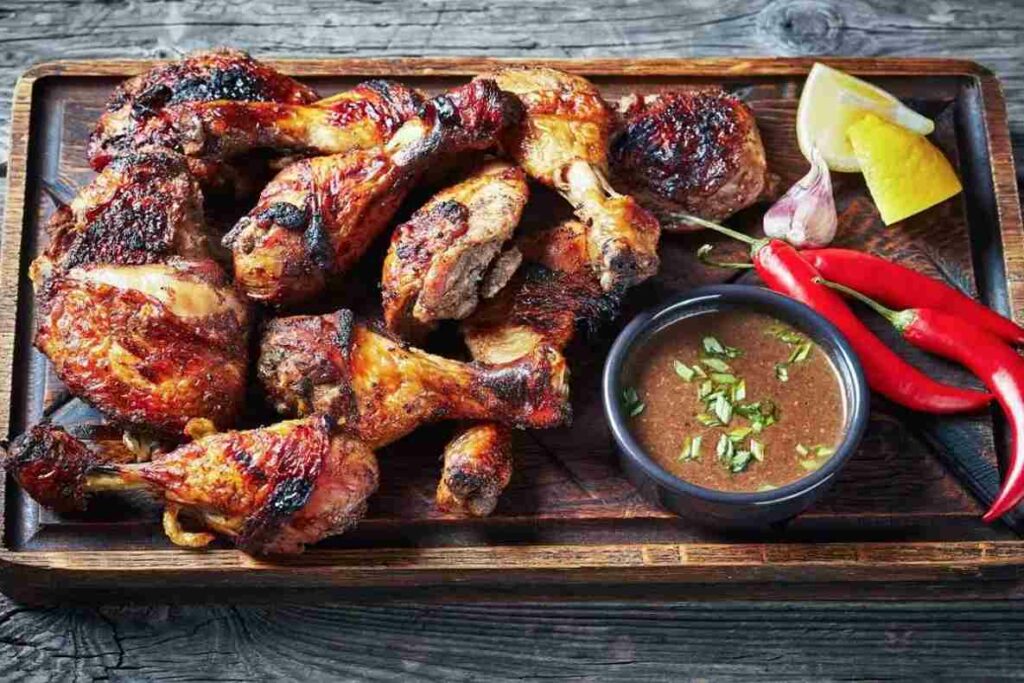
Jerk Chicken:
A staple of Jamaican cooking is jerk chicken. It calls for marinating chicken in a mixture of herbs and spices, such as thyme, allspice, and garlic, before grilling it to perfection.
Vegetable Stew:
A filling and nutrient-dense dish is Jamaican vegetable stew. It blends a variety of flavorful spices and herbs with vibrant vegetables like okra, bell peppers, cabbage, and carrots. This hearty stew is a flexible and filling alternative for vegetarians and vegans because it may be prepared with or without meat.
Fresh Fruit Platter:
Tropical fruits are abundant in Jamaica. Enjoying a colorful fruit plate with fruits like mangoes, pineapples, papaya fruit, and bananas is a revitalizing and healthful alternative. These fruits make for a tasty and nourishing treat because they are loaded with vitamins, minerals, and antioxidants.
Ackee and Saltfish:
The national dish of Jamaica is ackee and saltfish. Tropical fruit ackee is sautéed with salted codfish, onions, tomato products, and numerous seasonings.
Curry Goat:
Tender goat flesh is cooked in a thick and fragrant curry sauce in this classic Jamaican meal. It frequently comes with roti, rice, and peas.
Callaloo:
Callaloo is a typical Jamaican cuisine prepared from leafy greens like amaranth or taro leaves that are fried with scotch bonnet peppers, onions, garlic, and thyme.
Festival:
Made of a mixture of cornmeal, flour, sugar, plus spices, the festival is a sweet, fried dumpling. It frequently appears with savory foods.
Breadfruit:
The starchy fruit known as breadfruit is widely available in Jamaica. It takes on a delicious texture and flavor that is reminiscent of potatoes when it is cooked. You can eat roasted breadfruit as a side dish or as a more nutritious option to common carbohydrate sources like white bread or rice.
Conclusion:
The issue of whether Jamaican cuisine is healthful paints a complex picture. A variety of nutrient-dense dishes that celebrate vibrant flavors, fresh ingredients, and cultural diversity may be found in Jamaican cuisine. Foods like roasted fish, steamed callaloo, jerk-grilled chicken or fish, vegetable stew, fruit platters, and baked breadfruit can offer vital nutrients, and lean proteins, including antioxidants. In the end, a person’s choices, ingredient preferences, cooking techniques, and overall dietary habits determine how healthy Jamaican food is. Making wise decisions, enjoying fresh ingredients, and combining the decadent elements with healthier choices allow one to enjoy the mouthwatering flavors and potentially healthy properties of Jamaican cuisine.