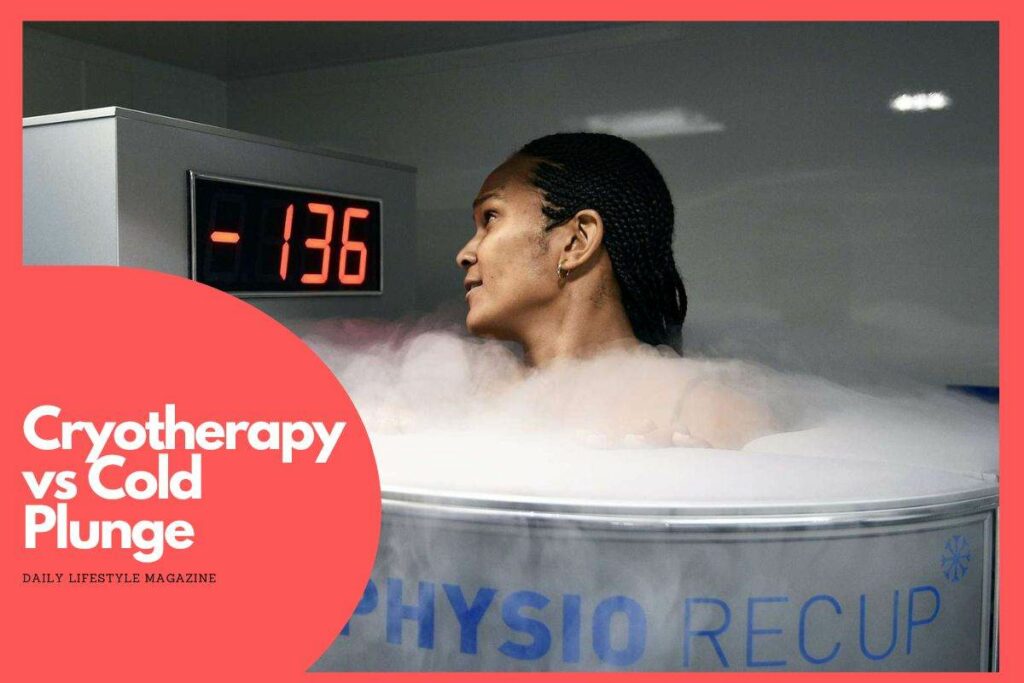
Two common forms of cold therapy, cryotherapy, and cold plunge therapy, have drawn interest due to their potential for improving physical healing, general well-being, and performance. Both techniques entail exposing the body to extremely low temperatures, but they vary in terms of how they are used, the tools they use, and the benefits they provide. We will weigh the advantages and disadvantages of cryotherapy and cold plunge treatment in this comparison, highlighting the special features of each strategy and assisting you in making an informed choice. Understanding the Cryotherapy vs Cold Plunge will help you decide which choice is best for your needs, whether you’re looking for focused cooling with cryotherapy or the immersion experience of a cold plunge.
Even though they both entail exposing the body to extremely low temperatures, they differ in terms of application techniques, tools, and potential benefits and drawbacks. In this comparison, we’ll look closely at the benefits and drawbacks of cold plunges and cryotherapy from a variety of angles.
Here is a thorough evaluation of the benefits and drawbacks of cold plunges versus cryotherapy.
Time and Temperature:
- Cryotherapy: This treatment involves exposing the body to temperatures between -100°C and -140°C (-148°F and -220°F) for a brief period, usually 2 to 4 minutes.
- Cold Plunge: This exercise involves submerging the body in water or an ice bath that is normally between 5°C and 15°C (41°F and 59°F) in temperature.The time can range from a few minutes to up to 20 minutes, but it is typically longer than cryotherapy.
Investment and Equipment:
- Cryotherapy: Using liquid nitrogen or electromagnetic cooling equipment, cryotherapy is often performed in specialized cryotherapy cabins or chambers. Although the cost of a cryotherapy treatment can vary, the startup costs for starting a business can be high.
- Cold Plunge: A basic ice bath or cold water tub can be used to accomplish the cold plunge, and both require only a small outlay of money. It can be done in cold plunge pools in gyms and spas or at home.
Convenience and Accessibility:
- Cryotherapy: Because cryotherapy sessions are typically provided in specialized clinics or wellness centers, they can be less convenient for some people. Although the sessions are brief, it is important to plan for travel to and from the facility.
- Cold Plunge: Cold plunge is more convenient because it may be performed in a bathtub at home or a cold plunge pool at a gym or spa. The lengthier immersion period may, however, necessitate a bigger time commitment.
Safety:
- Cryotherapy: Cryotherapy treatments are typically regarded as safe when carried out under qualified supervision. If safeguards are not taken or if people have underlying medical issues (such as circulatory abnormalities or cold hypersensitivity), there is a slight danger of frostbite or skin burns.
- Cold Plunge: When done appropriately, a cold plunge is normally safe, but if safety procedures are not taken, there is a risk of hypothermia or cold shock. Before undergoing cold plunge therapy, anyone with specific medical disorders, such as heart issues or high blood pressure, should use caution or speak with a healthcare provider.
Individual Preference:
- Cryotherapy: Due to its fast application and targeted chilling effects, some people may prefer cryotherapy. Those who dislike being completely submerged in water or have access issues to cold plunge facilities may find it useful.
- Others might choose cold plunge because of the total immersion expertise, the potential health benefits of water therapy, and the simplicity with which the water temperature can be adjusted.
Advantages:
- Cryotherapy: It is thought that cryotherapy has advantages such as decreased inflammation, pain reduction, rapid muscular injury healing, higher metabolism, greater happiness, and improved skin health. Athletes and those looking for focused cold exposure frequently use it.
- Cold Plunge: Cold plunge therapy has been linked to similar advantages, such as less inflammation, accelerated muscle healing, decreased discomfort, and increased circulation. A sense of rest and renewal can also be obtained via submersion in water.
Benefits of cryotherapy vs. Ice baths:
Both cryotherapy and ice baths have advantages associated with cold therapy, however, their methods of use and particular advantages vary. The advantages of ice baths and cryotherapy are contrasted below:
Advantages of Cryotherapy
- Targeted chilling: Cryotherapy enables localized chilling, which is advantageous for focusing on particular body parts, like joints or muscles, that call for therapeutic intervention.
- Pain relief: Cryotherapy’s extremely low temperatures provide analgesic (pain-relieving) properties that can temporarily alleviate joint pain, muscular aches, and other types of chronic pain.
- Improved Recovery: Cryotherapy is frequently used by athletes to speed up the recovery of their muscles since it may lessen the inflammation and muscle damage brought on by strenuous exercise.
- Cryotherapy is a time-effective treatment for people with busy schedules because sessions normally only last a few minutes.
- Improved Mood and Mental Health: Some people claim to feel better emotionally and mentally following cryotherapy sessions, which is related to the endorphin release and energizing effects of the cold.
- Reduced Inflammation: Cryotherapy can assist the body’s inflammation, which may be useful for treating illnesses like arthritis or inflammation after exercise.
- Enhanced Metabolism: The body’s metabolism can be stimulated by exposure to freezing temperatures during cryotherapy, which may help with weight loss attempts.
Advantages of ice baths:
- Whole-Body Cooling: By submerging the body entirely in ice-cold water, ice baths provide systemic chilling and the possible health benefits that come with it.
- Better Circulation: The ice bath’s chilly temperature might cause the vessels to constrict, then dilate when you get out, improving circulation and allowing more oxygen to reach your muscles.
- Lessened Swelling and Muscle injury: By tightening blood vessels and decreasing blood flow to the injured areas, immersion in cold water can help lessen swelling and prevent further muscle injury.
- Post-Exercise Recovery: Ice baths are frequently used by athletes to help with post-exercise recovery since they may ease muscular discomfort, reduce inflammation, and hasten the healing process.
- Stress Relief as well as Relaxation: Submerging yourself in cold water may have a relaxing impact that encourages relaxation and aids in the reduction of stress and anxiety.
- mproved Sleep: Some people discover that an ice bath before bed can enhance sleep quality and aid in the treatment of insomnia and restless sleep.
Conclusion
Cryotherapy and cold plunge therapy each have their advantages and disadvantages, giving people different ways to include cold therapy in their daily routines. Targeted chilling, brief treatments, and potential advantages like lowered inflammation, pain alleviation, and quick recovery are all features of cryotherapy. Cold plunge treatment, on the other hand, offers total body immersion, less swelling, advantages for post-exercise recuperation, and a soothing sensation. When deciding between Cryotherapy vs Cold Plunge, one should take accessibility, personal preference, and one’s health into account. People may make an informed choice and customize their cold therapy encounter to match their unique goals and needs by being aware of the different benefits and drawbacks of each strategy.