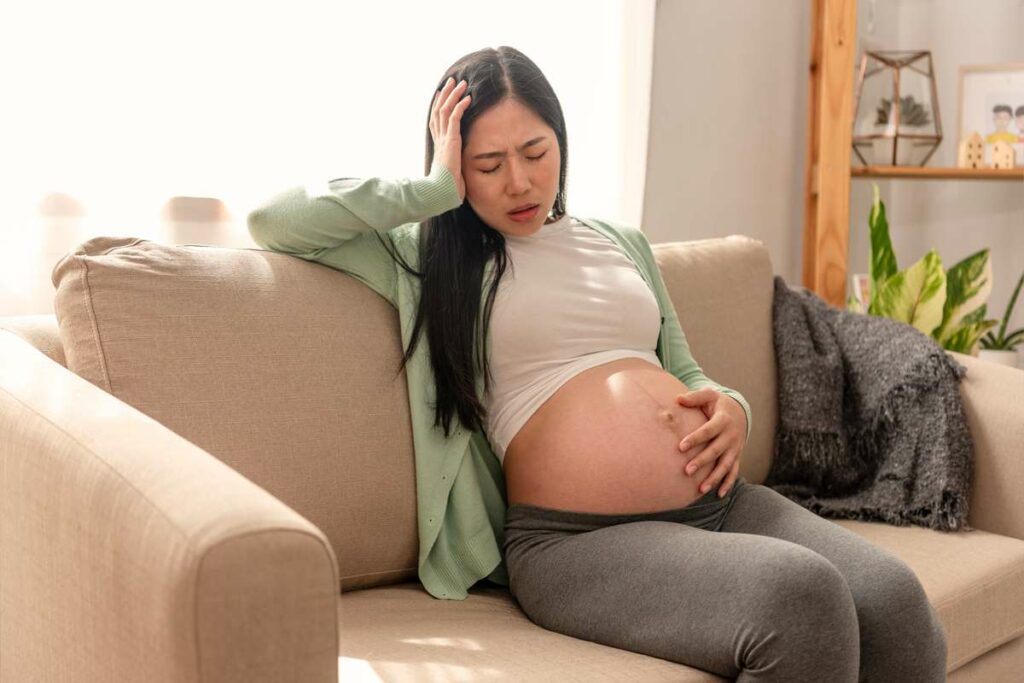
Subchoirnic hemorrhage is an early pregnancy condition that causes bleeding. During the first trimester, it can occur. One of the primary factors of experiencing bleeding from the vaginal area.
In most cases, blood can stop on its own. Pregnant women may likely get a subchronic hematoma during the 10 to 20 weeks of their pregnancy. To avoid subchronic hemorrhage, pregnant women should avoid doing strenuous activities and they should get plenty of rest.
Additionally, it is necessary to have regular check-ups. Also, some food elements can heal subchronic hemorrhage naturally. Here, in this article, we are going to wrap up what is subchronic hemorrhage, the causes of subchronic hemorrhage, signs of subchronic Hematoma, food to heal subchronic hemorrhage, treatment for subchronic hemorrhage, and signs of subchronic hematoma resolving.
What is Subchorionic Hemorrhage?
If the gestational sac is displaced from the uterine wall, then pregnant women can experience bleeding. The bleeding starts underneath the chorion membrane that built the outer layer of the sac.
The blood accumulates under the membrane and can make a clot that you can find during the ultrasound. It is very common in 25% of pregnant women.
Subchronic hematomas are not a cause of concern for all cases because they may cause very light bleeding.
Causes of Subchorionic Hemorrhage
It is unclear the reason behind the subchronic hemorrhage for some people but not for all. In general, subchorionic hemorrhage occurs when the chorion membrane detaches from the uterine walls.
The chorion membrane is the outermost layer of the amniotic sac. The amniotic sac is where your baby is developing inside the uterus. This detachment from the uterine wall can be small or big.
Healthcare practitioners are not entirely sure what causes this detachment to occur. But, certain conditions can put you at a higher risk of developing a subchorionic hematoma.
Signs of subchorionic hematoma
The very common symptom of subchorionic hematoma is vaginal bleeding in the first trimester of the pregnancy. The bleeding can vary from light spotting to heavy with clotting.
The vaginal bleeding can be accompanied by pelvic cramping, but this is not the case. Many women experience no bleeding at all and the hematoma is discovered during a routine ultrasound.
If you experience any bleeding during the pregnancy then you must talk to the doctor as early as possible. Then he can rule out any serious complications.
Food to heal the Subchorionic Hemorrhage?
#1. Leafy greens:
Leafy greens are the greatest source of vitamins and minerals. It can help you to heal subchorionic hematoma. You can consume a variety of leafy greens such as kale, spinach, collard greens, and bok choy; as these items boost your immune system and provide important nutrients to your body that aid in the healing process.
#2. Broccoli:
Subchroinic hemorrhage occurs when a pregnant woman experiences bleeding inside the uterus. So, at this phase, you will require more nutrients to prevent this to have happened. Broccoli is a superfood packed with nutrients such as iron, vitamin C, calcium, and dietary fiber.
Intaking broccoli helps you to recover the damaged tissues caused by subchorionic hematoma and also reduces inflammation.
#3. Beans and legumes:
Beans and legumes are a great source of nutrition and it is the best food for women suffering from subchorionic hematoma. These food items are packed with plant-based protein, complex carbohydrates, fiber, and all the items that can recover the phase.
#4. Whole grains:
Whole grains are an important aspect of a healthy diet, they have properties that can heal subchorionic hemorrhage. Whole grains contain fiber, vitamins, and minerals that are essential to speed up the healing process.
Eating whole grains also keeps your body pressure regulated, and reduces inflammation. These food items can reduce the risks of developing the chances of complications from a subchorionic hematoma.
#5. Fish:
Subchroinic hemorrhage is a frightening and stressful experience for them, women. Fish is an extremely beneficial choice for women with subchronic hematoma. Fish is packed with essential vitamins and minerals that can improve your overall health.
Fish is containing Omega-3 fatty acids that can reduce inflammation and prevent certain cardiovascular diseases.
#6. Water:
One of the most significant nutrients for healing subchorionic hematoma is water. Staying hydrated helps your body to get rid of toxins itself, boosts your immune system, and also maintains your body’s equilibrium which helps the healing process.
You must intake a significant amount of water per day so that your body can run in top shape while suffering from subchorionic hematoma.
#7. Eggs:
Eggs contain high proteins that are essential for the formation of chorionic membranes. The eggs are also good food for preventing minor traumas to the placental membranes.
So, you can eat eggs, mayonnaise, and salad to speed up the healing process while suffering from subchorionic hemorrhage.
#8. Nuts and seeds:
Nuts and seeds are some good sources of nourishment for women who are dealing with subchorionic hemorrhage. Nuts and seeds are rich in essential fatty acids, minerals, vitamins, and some other nutrients that are essential for recovering from subchorionic hemorrhage.
Nuts and seeds provide the key building blocks to your body to create new cells and tissues. Cashew nuts, walnuts, pumpkin seeds, chia seeds, and almonds are excellent sources of healthy fats that help to reduce inflammation and improve your overall health.
#9. Avocados:
Avocado is one of the best food to heal the subchorionic hemorrhage. Avocado is rich in Omega 3 fatty acids, and vitamins C and E. Avocados are great for helping heal your body.
Avocado is also a great source of fiber that can reduce the inflammation caused by subchorionic hemorrhage. You can add avocado to many meals and snacks. Avocado is also rich in monounsaturated fats that have shown benefits for recovering from subchorionic hemorrhage.
Treatment for Subchorionic Hemorrhage
Most the subchorionic hematoma recovers with time on their own. Your doctor will evaluate your symptoms, determine the size and location of your hematoma, and also review your health history with an ultrasound.
The treatment plan for subchorionic hemorrhage will depend on these several factors plus your baby’s gestational age.
Some of the most possible treatments for subchorionic hemorrhage are as follows:
- Eliminating some activities such as exercise, and lifting heavier objects.
- Avoiding sex
- Complete bed rest
- Go forward with ultrasounds for assessing the size and the location of the hematoma.
- Monitoring the symptoms that initiate early labor such as cramping and contractions
- Hospitalization
- Anti-D immune globulin for women who are RhD negative.
You must contact your healthcare provider as early as possible if you experience bleeding during pregnancy. Finding out the reason for vaginal bleeding during pregnancy as early as possible is essential for always.
Signs of subchorionic hematoma resolving?
There is no set amount of time it takes a subchorionic hematoma to recover. You need to have the patience to heal subchorionic hematoma. In some cases, it will shrink in size on its own over a few weeks without any complications or bleeding.
But in other cases, the subchorionic hematoma can be large and problematic. Your healthcare provider can evaluate your symptoms and complications. He will suggest some treatment after an evaluation and treatment.
FAQ:
What to avoid when you have subchorionic hemorrhage?
Ans: If the diagnosis of your vaginal bleeding is deemed subchorionic, then your healthcare provider may likely start some treatment to prevent miscarriage. If the hematoma is large then you should avoid:
- Exercise
- Lifting heavier objects
- Sex
- Standing long hours of time
Is the baby okay with subchorionic hemorrhage?
Ans: Most of the time subchorionic hemorrhage will not harm your baby. If your hematoma is small, it will never cause problems and it may heal over a period. But if the hematoma is large and if the hematoma occurs during the third trimester of your pregnancy then your doctor will be more concerned about your pregnancy.
How often does subchorionic hematoma result in miscarriage?
Ans: There is a small chance of miscarriage if you have a subchorionic hematoma. Most of the time, the subchorionic hematoma will not harm your baby, and your baby is born healthy. According to studies, the rate of demised for hematomas diagnosed at or earlier 7 weeks is 19.6% and 3.6% for those diagnosed after 8 weeks.
Wrap up:
Well, if you experience vaginal bleeding at any phase of your pregnancy then you must rush to the healthcare provider as early as possible. As earlier the problem will be diagnosed there will be more chance for successful treatment.
Here, we have covered all the relevant factors that you must know about subchorionic hematoma. We have all included what food items you should look for, and what activities you must avoid to prevent any major harm caused by subchorionic hematoma.