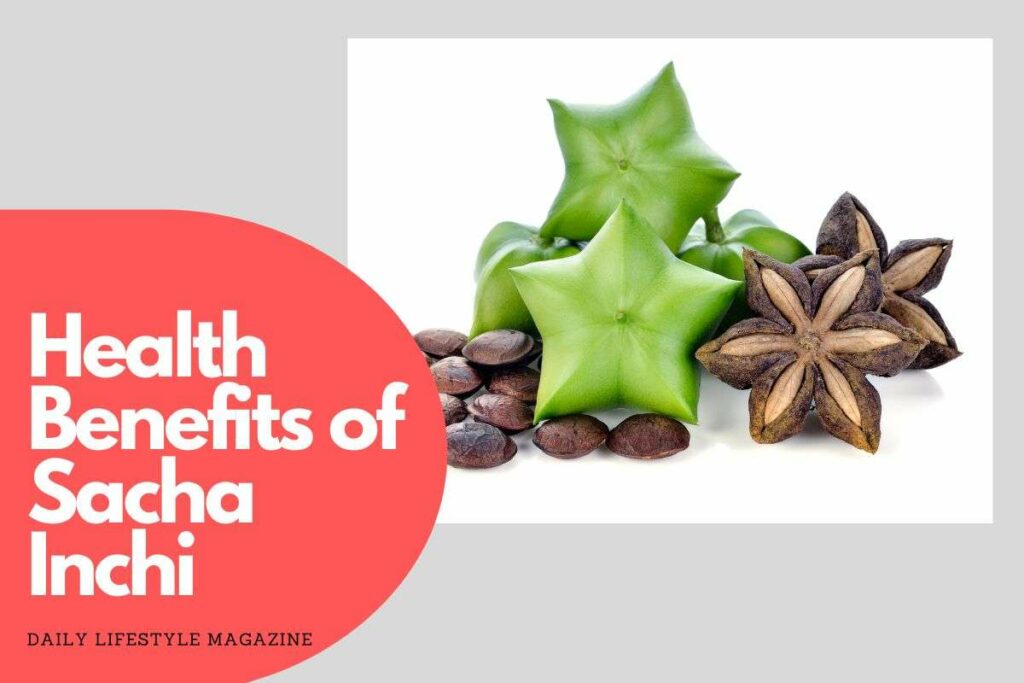
Health Benefits of Sacha Inchi
You’ve probably heard about the sacha inchi superfood that’s been getting much attention lately.
Even though it has only recently gained popularity, it has been used in many parts of the world over the last few hundred years.
It is simple to prepare, delicious, and adaptable, making it ideal for various dishes. It also has an outstanding nutritional profile and several possible health advantages. Given these characteristics, it is clear that including it in a balanced diet is a wise decision.
This article provides more in-depth info on sacha inchi, including what it is, what are the benefits of Sacha Inchi, and its side effects.
What Is Sacha Inchi?
A plant known as Sacha Inchi or Plukenetia Volubilis positively affects human health due to its high nutritional content. It is believed to have originated in many locations across South America and the Caribbean. Large seeds are produced by the edible plant, which contains a high concentration of protein and omega-3 and omega-6 fatty acids.
Several different indigenous people in Peru historically ingested the seeds of this plant. Because of this characteristic, these seeds are often called Inca nuts or mountain peanuts. After being broken up into smaller pieces, the seeds are often used in their powdered condition. They are then included in various recipes to make the end products healthier and more advantageous for our immune systems.
Additionally, the seeds have oil in them. It is obtained by pressing the seeds, then put to use in the kitchen and various cosmetic and personal care products.
5 Surprising Health Benefits of Sacha Inchi
#1. Sacha inchi improves immunity.
Because the sacha inchi is believed to be a super-seed, its nutritious characteristics may help improve your immune system. It contains complete protein, which serves as a component in the formation of antibodies, which may work to aid in the prevention of disease, infection, and sickness.
Additionally, this protein collaborates with other immune system cells to recognise and help destroy certain bacteria and viruses. For these other immune cells to multiply and develop into mature disease-fighting units, they need the iron in sacha inchi.
#2. Sacha inchi improves brain function.
It contains 20% omega-3 fatty acids in its composition. We are aware that the bulk of our brain is made up of fat, and because of this, we need good fats from dietary sources, such as sacha inchi, to construct brain cell membranes, feed our brain cells, and combat inflammation.
Fatty acids with the omega-3 designation may improve cognitive performance and shield against conditions that affect the brain, such as dementia and depression. The symptoms of weariness, memory loss, and brain fog may be alleviated when omega-3 fatty acids control inflammation.
#3. Reduces the risk of inflammation
As a result of the omega-3 fatty acids that it contains, it may help reduce inflammation. By obstructing the production of the substances that foster inflammation, these healthy cells can contribute to the prevention of its occurrence.
Inflammation significantly contributes to the development of a wide variety of persistent diseases, including Alzheimer’s disease, cancer, metabolic syndrome, type 2 diabetes, swollen joints, dermatitis, asthma, bronchitis, and muscular stiffness, just a few.
#4. Enhances mood
Sacha Inchi contains a lot of tryptophan, a component that serotonin needs to be able to make. It is a neurotransmitter known as the happy hormone. It is believed to be responsible for maintaining a stable mood and contributing to general happiness and well-being.
In addition, it has a high quantity of omega-3 fatty acids, which are known to be beneficial in the battle against brain inflammation. When the sacha inchi successfully reduces inflammation, the nutritious seed may then assist in lowering the risk of mood swings, headaches, and even depression.
#5. Builds muscles
Sacha Inchi has a higher protein content than combined cashews, walnuts, and almonds. It is one of the finest sources of complete protein, meaning that it contains all eight necessary amino acids that our bodies need but cannot produce on their own. It is common knowledge that proteins play an essential role in the functioning of every cell in the body.
Sacha Inchi may assist in the growth of lean muscle mass and its repair and maintenance. It has 30 percent protein by weight, more than the protein content of many nuts and seeds. In addition, it contains a significant quantity of iron, which, because of its role in the delivery of oxygen to the muscle fibers during contraction, may assist muscles in preserving their tone and suppleness.
Side Effect Of Sacha Inchi
This new “superfood” may have several positive impacts on one’s health, but it is essential to be aware of any possible adverse reactions, such as feelings of nausea and irritability.
Nausea
Some individuals report that eating sacha inchi leaves them feeling nauseous and causes gastrointestinal trouble; however, this side effect is often caused by consuming an excessive amount of these seeds. Because of the high nutritional content of these seeds, just a tiny amount of them need to be consumed for the effects of their health advantages to kick in.
Mood
It is well known that sacha inchi can influence one’s mood, primarily because of its effect on several critical neurotransmitters. This may result in mood fluctuations that may be pretty unsettling and interfere with the effects of other drugs administered to the patient. If you experience significant shifts in mood, you should immediately cease consuming these seeds.
How To Use Sacha Inchi?
There are a few different preparation methods for sacha inchi. For instance, the seeds are often roasted or crushed into powder before use.
The roasted seeds have a flavour that is best described as somewhat nutty, and they may be eaten in their natural state as a convenient snack to take on the move. You can also include them in your diet by substituting them for other types of nuts and using them in salads, trail mixes, and granola.
The pulverised seeds may be found in plant-based protein powders, which are excellent additions to smoothies, baked goods, and energy bites. A delicious herbal tea may be made by drying the plant’s leaves and then steeping them in water for a few minutes to extract their flavour.
Last but not least, you may massage the oil into your skin, add it to smoothies and salads, or sprinkle it over vegetables that have been sautéed to increase both the flavour and the health benefits.
Is Sacha Inchi Good For Kidney?
This plant is rich in protein, omega-3 and omega-6 fatty acids, vitamin E, and other elements necessary for optimal health. Some studies show that sacha inchi may benefit renal disease patients. Sacha inchi’s strong antioxidant content helps decrease inflammation and oxidative damage. Both may cause and worsen renal disease.
Anti-inflammatory sacha inchi may also lessen kidney injury risk. Reduced inflammation may enhance kidney function in people with chronic renal disease. For renal disease patients, sacha inchi is low in phosphorus and potassium. High phosphorus and potassium levels may induce high blood pressure and bone damage. Kidney disease patients may minimise their mineral consumption and enhance their health by eating sacha inchi.
Conclusion
The plant known as sacha inchi is grown primarily to harvest its big seeds, which resemble nuts. These seeds are very nutrient-dense and have been linked to a variety of potential health advantages, some of which include reduced levels of cholesterol, enhanced rates of weight reduction, and enhanced digestive health. Nevertheless, more study on human subjects needs to confirm these encouraging findings.
They may be used whole and roasted, pounded into a powder, or pressed into an oil, all of which are examples of their incredible versatility. As a result, you may use them in the kitchen by adding them to dishes, snacking on them, or incorporating them into beverages and baked products.